The Skill Set Transferability Between Soccer and Football Kicking

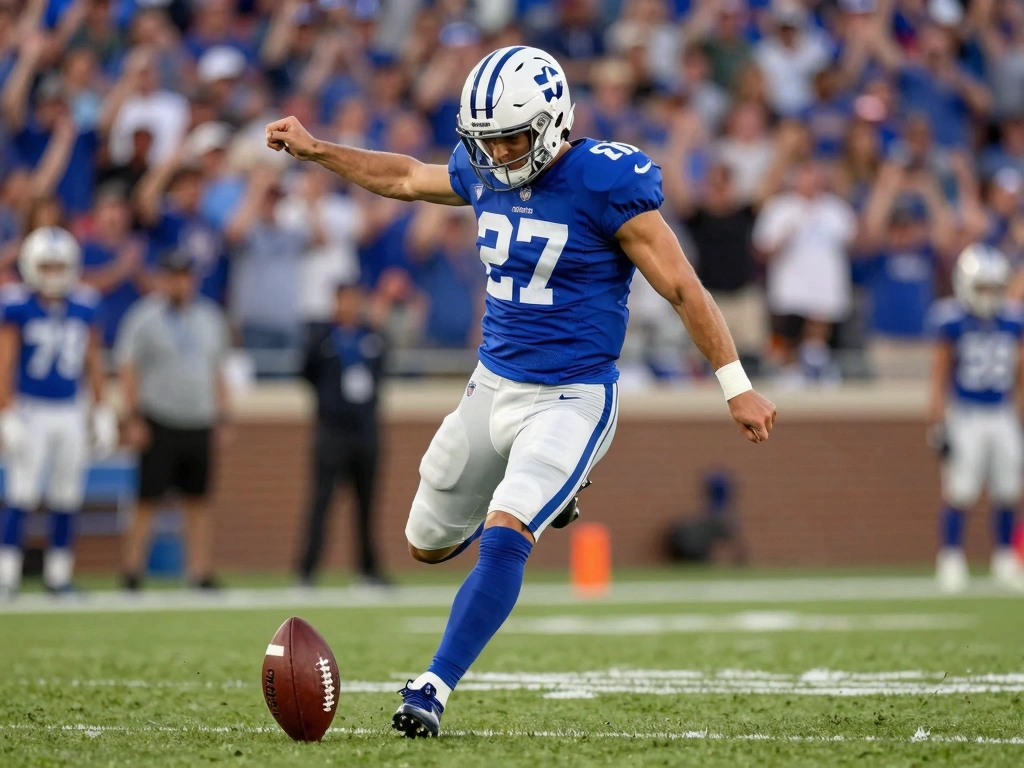
When analyzing the transition of athletes from soccer to American football, particularly in the role of a kicker, the most striking aspect is the remarkable skill set that transfers seamlessly between these two sports. While soccer and football may appear vastly different on the surface, the fundamental mechanics involved in kicking share many similarities that enable soccer players to excel as NFL kickers.
Precision and Accuracy in Kicking
One of the most critical components of successful kicking in both soccer and football is precision. Soccer players are trained to strike the ball with pinpoint accuracy, whether it's for a shot on goal or a corner kick. This emphasis on precision translates perfectly to football, where a kicker's ability to place the ball through the uprights can often determine the outcome of a game. NFL kickers, such as Justin Tucker of the Baltimore Ravens, demonstrate this skill with a career field goal percentage of over 90%, showcasing their accuracy honed from years of soccer experience.
Power Generation Techniques
Another key element in kicking is the ability to generate power. In soccer, athletes learn to utilize their entire body to create momentum, engaging their core and legs to strike the ball effectively. This technique is crucial in football, where kickers must not only kick accurately but also achieve distance. For instance, Matt Prater, known for his powerful leg, has made field goals from over 60 yards, a feat made possible by the explosive power generation techniques he likely developed during his soccer days.
Foot-Eye Coordination
Foot-eye coordination is a fundamental skill in both sports. Soccer players practice dribbling, shooting, and passing, all of which require a high level of coordination. This ability allows them to make precise contact with the ball consistently. In the NFL, kickers must exhibit the same coordination to ensure that they hit the ball squarely, leading to successful field goals and kickoffs. The transition is often smoother for soccer players due to their extensive background in this essential skill.
Physical Conditioning and Athleticism of Soccer Players
The physical conditioning and athleticism developed by soccer players are other significant factors contributing to their success as NFL kickers. The demands of soccer require a high level of fitness, which can be advantageous when transitioning to football.
Endurance and Stamina
Soccer matches can last up to 90 minutes, requiring players to maintain high levels of endurance and stamina. This conditioning prepares soccer players for the physical and mental demands of kicking in football, where a kicker may be called upon multiple times in a game under varying conditions. The ability to maintain focus and energy through a game can be a decisive factor in the performance of kickers like Robbie Gould, who has maintained a long career in the NFL due in part to his exceptional conditioning.
Agility and Balance
Agility and balance are crucial attributes for soccer players, who must navigate the field, dodge opponents, and maintain control of the ball. These qualities are equally important for kickers in the NFL, who must remain balanced during their kicking motion while adapting to the dynamic nature of the game. The ability to maintain composure under pressure while executing a kick is often a reflection of a kicker’s agility, which has roots in their soccer training.
Injury Prevention and Recovery
Soccer players are also educated in injury prevention strategies. The sport's physical demands teach players how to care for their bodies, emphasizing proper warm-up techniques and recovery protocols. This knowledge can be invaluable in the NFL, where kickers are subject to unique stresses on their legs and feet. An example is Stephen Gostkowski, who has managed to prolong his kicking career by adopting rigorous injury prevention and recovery routines learned during his soccer days.
The Mental Aspects of Kicking in Both Sports
The mental aspects of kicking are critical in both soccer and football. The pressure of taking a decisive kick can significantly affect performance, and soccer players often find that their background equips them with the mental fortitude required for success in the NFL.
Pressure Management in Critical Moments
In soccer, players must regularly perform under pressure, whether it's during a penalty shootout or a last-minute free kick. This experience is invaluable when transitioning to the NFL, where kickers frequently face high-stakes situations. The ability to maintain composure and execute under pressure is a hallmark of successful kickers. Gary Anderson, the first kicker in NFL history to convert 800 extra points, exemplified this skill throughout his career, often handling critical game-deciding moments with poise.
Focus and Concentration Skills
High-level soccer players develop exceptional focus and concentration skills, as every play can change the outcome of the game. This mental training is vital for NFL kickers, who must concentrate intently on their technique and the task at hand. Kickers like Janikowski, known for his powerful kicks and focus, have shown that the ability to concentrate in high-pressure situations can lead to a successful career.
Game Situational Awareness
Soccer players are trained to read the game and understand situational dynamics, which can significantly enhance a kicker’s performance in football. Knowing when to kick, how to position themselves, and understanding the game clock are essential skills for kickers. This awareness can make the difference between success and failure in critical moments. Kickers who can apply this situational awareness, like Phil Dawson, often find themselves more successful in executing game-winning kicks.
The Role of Training and Coaching in Transition
While the inherent skills from soccer provide a strong foundation for kickers, the role of training and coaching in the transition to football cannot be understated. Specialized coaching and practice regimens tailored for kickers are crucial in developing their talents further.
Specialized Coaching for Kickers
Kick specialists in football often have backgrounds in soccer themselves, allowing them to provide tailored coaching that resonates with the skills soccer players bring. This specialized instruction helps soccer players refine their kicking techniques, focusing on the nuances of football kicking that differ from soccer. Coaches like Mike Hollis, a former NFL kicker, have dedicated their careers to training kickers, emphasizing the transition from soccer skills to football techniques.
Practice Regimens and Techniques
Effective practice regimens are essential for kickers transitioning from soccer. Many NFL kickers incorporate drills that mirror soccer training methods, such as targeting specific areas of the goalposts or practicing under varying conditions. For instance, kickers may use a method known as the “pressure kick,” where they simulate high-stakes scenarios during practice to prepare mentally and physically for real-game situations. This method has been adopted by various successful kickers to enhance their performance consistently.
Mentorship from Experienced Players
Having a mentor who understands the challenges of transitioning from soccer to football can significantly impact a kicker's development. Experienced NFL kickers often share insights and techniques that can help new kickers refine their skills. For example, mentorship can include advice on handling pressure, developing routines, and understanding the mental aspects of kicking, which can be crucial for success at the professional level.
Success Stories and Case Studies of Transitioning Players
Numerous success stories illustrate the effective transition from soccer to kicking in the NFL. These players exemplify how soccer backgrounds can lead to successful careers in football.
Notable NFL Kickers with Soccer Backgrounds
Many prominent NFL kickers began their athletic journeys on the soccer field. David Akers, a two-time Pro Bowler, played soccer in college before making a name for himself in the NFL. Similarly, Giorgio Tavecchio, who played soccer in Italy, was able to transition successfully into the NFL with impressive performances that showcased his soccer-honed skills.
Impact on Team Performance
The impact of these transitioning players on team performance cannot be overstated. Kickers with soccer backgrounds often bring a unique blend of skills that enhance their teams' chances of success. The addition of a skilled kicker can shift the dynamics of a game, as seen with players like Justin Tucker, whose ability to make long-range field goals consistently has contributed significantly to the Ravens’ success over the years.
Long-term Career Trajectories
Many kickers transitioning from soccer have enjoyed long and successful careers in the NFL. For example, Sebastian Janikowski had a 19-year career, primarily with the Oakland Raiders, demonstrating the longevity that can be achieved through the right combination of skills and training. These athletes often find that the foundational skills and athleticism developed in soccer can lead to not only immediate success but also extended careers in the demanding environment of the NFL.